
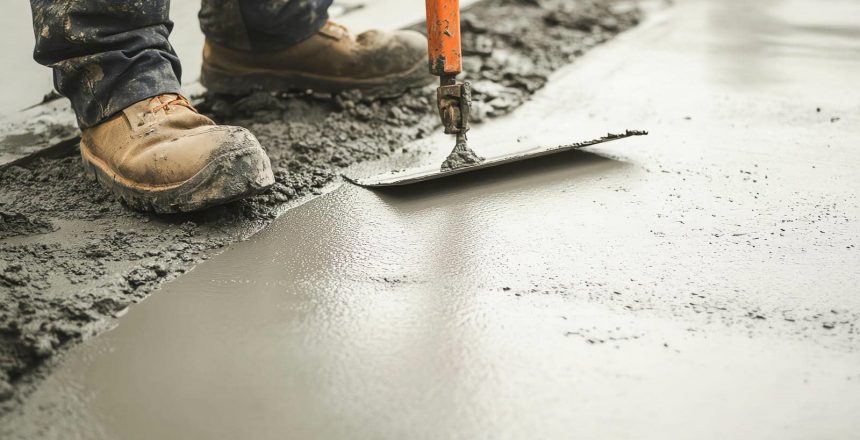
Concrete failure can stem from various factors, including poor mix design, inadequate curing, and environmental influences like moisture changes. These concrete restoration issues can lead to structural weaknesses and deterioration. Understanding how these elements contribute to concrete’s decline is essential. Furthermore, knowing how restoration techniques can mitigate these failures is equally important. What restorative methods can effectively enhance concrete’s durability and longevity? Let’s explore this further.
Key Takeaways
- Inadequate concrete composition and mix design can weaken structures, leading to failure over time.
- Environmental factors, such as moisture fluctuations and freeze-thaw cycles, accelerate deterioration and induce cracks.
- Signs of concrete needing restoration include cracks, spalling, and discoloration, indicating underlying structural issues.
- Restoration techniques like epoxy injections and slab jacking can effectively address damage and enhance structural integrity.
- Regular maintenance and proper curing practices are crucial to prolonging the lifespan and durability of concrete surfaces.
What Causes Concrete to Fail?
When concrete fails, it often stems from a combination of factors that compromise its structural integrity. One primary issue lies in the concrete composition; inadequate ratios of cement, aggregates, or water can weaken the material. If the mix isn’t optimized for load bearing, it can’t support the intended loads over time.
Moreover, improper curing techniques may lead to surface cracks, allowing moisture infiltration that exacerbates deterioration. Additionally, the presence of contaminants, such as chlorides, can initiate corrosion in embedded steel reinforcements, further destabilizing the structure.
Understanding these causes is essential for anyone involved in construction or restoration, as recognizing potential pitfalls can foster a sense of community and shared knowledge, ensuring safer and more durable concrete applications.
How Environmental Conditions Affect Concrete
Environmental conditions greatly influence the performance and longevity of concrete structures. Climate impacts, such as humidity and precipitation, can lead to increased moisture levels, causing concrete to weaken over time.
Temperature fluctuations also play a critical role; rapid changes can induce thermal expansion and contraction, leading to cracking. In freeze-thaw cycles, water trapped in the concrete expands as it freezes, contributing to structural damage.
Additionally, exposure to corrosive chemicals can accelerate deterioration, especially in urban environments. Understanding these factors is essential for maintaining concrete integrity.
Signs Your Concrete Needs Restoration
You should be alert for specific signs that indicate your concrete may need restoration.
Look for cracks and fissures, surface discoloration, or uneven and sunken areas that compromise structural integrity.
Addressing these issues promptly can prevent further damage and guarantee the longevity of your concrete surfaces.
Cracks and Fissures
As concrete ages, cracks and fissures may develop, signaling the need for immediate restoration. Ignoring these signs can lead to further deterioration and costly repairs.
Understanding the different crack types and fissure causes is essential for maintaining your concrete surfaces.
Here are three common indicators that your concrete needs attention:
- Shrinkage Cracks: Usually harmless, but can worsen if left untreated.
- Settlement Cracks: Indicate a foundational issue and require prompt evaluation.
- Expansion Cracks: Result from temperature fluctuations, potentially leading to structural problems.
Surface Discoloration Issues
When surface discoloration appears on concrete, it often signals underlying issues that necessitate restoration.
You might notice color variations or surface staining that detract from your concrete’s aesthetic and durability. These discolorations can indicate moisture intrusion, chemical exposure, or inadequate sealing, which compromise the structural integrity of your concrete.
Ignoring these signs can lead to more severe problems over time. If you see these issues, it’s essential to assess the cause promptly.
Restoration methods like cleaning, sealing, or resurfacing can effectively address these discolorations, revitalizing your concrete’s appearance and extending its lifespan.
By taking action, you not only enhance the visual appeal but also reinforce your concrete’s resilience against future deterioration.
Don’t wait your concrete deserves attention.
Uneven or Sunken Areas
Surface discoloration often signals the need for closer inspection, particularly for issues like uneven or sunken areas in concrete.
These problems can arise from various factors, including settlement patterns and soil erosion. If you notice these signs, it’s essential to act promptly.
Here are three indicators that your concrete may need restoration:
- Visible Cracks: Cracks often indicate underlying structural issues.
- Water Pooling: Standing water suggests improper drainage or sunken areas.
- Uneven Surfaces: Tripping hazards can arise from significant elevation changes.
Ignoring these issues can lead to further deterioration and costly repairs.
Top Techniques for Restoring Concrete
While concrete is a durable material, it can suffer from various forms of damage, necessitating effective restoration techniques.
For surface repair, you might consider epoxy injections to fill cracks and restore the smooth finish, preserving the concrete’s aesthetic appeal.
If structural integrity is at risk, under-sealing or slab jacking can lift sunken areas, ensuring stability and functionality.
For extensive damage, applying polymer-modified overlays can provide a strong, resilient surface, effectively extending the life of your concrete.
Ultimately, regular sealing can prevent moisture infiltration, safeguarding your investment from future deterioration.
Why Curing Matters for Your Concrete
Curing is essential for ensuring the durability and strength of your concrete.
Without proper curing, moisture loss can lead to cracks and weaken the structure, compromising its integrity.
You’ll need to adhere to a specific timeframe for effective curing to achieve the best results and prevent long-term issues.
Importance Of Proper Curing
Proper curing is essential for guaranteeing the long-term durability and strength of your concrete, as it directly influences hydration and the development of its mechanical properties.
By employing effective curing techniques, you can greatly enhance your concrete’s performance. Here are three key benefits of proper curing:
- Optimal Hydration: Adequate moisture during the curing process supports the hydration methods essential for achieving the desired strength.
- Reduced Cracking: Proper curing minimizes the risk of surface cracks, which can compromise structural integrity.
- Enhanced Durability: When you guarantee effective curing, you improve resistance to environmental factors, extending the lifespan of your concrete.
Incorporating these practices fosters community trust in your construction efforts, as well-cured concrete reflects quality and professionalism.
Effects Of Moisture Loss
Moisture loss during the curing process can lead to significant negative consequences for your concrete, ultimately jeopardizing its structural integrity.
When concrete doesn’t retain adequate moisture, you may encounter increased evaporation effects, resulting in surface cracking and reduced strength. Proper moisture retention is essential for the hydration of cement particles, which directly influences the durability and longevity of your structure.
Without sufficient water, the concrete can become brittle, leading to premature failure and costly repairs. To guarantee ideal curing, you should implement strategies that minimize moisture loss, such as using curing compounds or wet coverings.
Timeframe For Effective Curing
The timeframe for effective curing greatly impacts the overall quality and performance of your concrete.
Understanding the right curing methods and their respective curing durations is vital for preventing concrete failure. Here are three key points to ponder:
- Initial Cure: Aim for a minimum of 7 days for ideal hydration and strength gain.
- Environmental Factors: Adjust curing duration based on temperature and humidity, as extreme conditions can accelerate moisture loss.
- Curing Techniques: Utilize methods like wet curing, curing compounds, or coverings to maintain moisture levels effectively.
Preventative Measures for Durable Concrete
When constructing durable concrete, understanding the factors that contribute to its longevity is crucial. Implementing preventative maintenance from the outset can greatly enhance concrete longevity.
Start by selecting high-quality materials, guaranteeing proper mix ratios, and utilizing additives that improve durability. During placement, maintain ideal temperatures and humidity levels to minimize cracking.
Regularly inspect your concrete for early signs of wear and apply sealants to protect against moisture ingress and freeze-thaw cycles. Additionally, confirm proper drainage around your concrete structures to prevent water accumulation.
How to Spot Signs of Concrete Deterioration?
To effectively identify signs of concrete deterioration, you should regularly inspect the surface for visible indicators.
Early detection is essential for preventing more extensive damage. Here are three key signs to look for during your visual inspection:
- Cracking: Look for hairline fractures that may widen over time, indicating structural stress.
- Spalling: Notice any flaking or peeling on the surface, often caused by moisture infiltration and freeze-thaw cycles.
- Discoloration: Watch for uneven color changes that may signify underlying issues, such as water damage or chemical reactions.
Frequently Asked Questions
What Is the Lifespan of Concrete Structures?
Concrete structures typically last 30 to 100 years, depending on factors like environmental conditions, maintenance, and quality of materials. Understanding concrete durability helps you appreciate how these lifespan factors influence your structures’ longevity and performance.
Can Concrete Failure Be Covered by Insurance?
Yes, concrete failure can often be covered by insurance, but it depends on the policy specifics. You’ll need to identify the failure causes and guarantee they’re included in your coverage to avoid unexpected costs.
How Often Should Concrete Be Inspected?
You should inspect concrete at least once a year as part of your maintenance schedule. Increased inspection frequency may be necessary in harsh climates or heavy-use areas to detect early signs of wear and damage.
What Are the Costs Associated With Concrete Restoration?
You know the saying, “A stitch in time saves nine.” Concrete restoration costs vary based on restoration techniques and cost factors like material, labor, and extent of damage. Investing wisely now can prevent greater expenses later.
Are There Eco-Friendly Options for Concrete Restoration?
Yes, you’ve got eco-friendly options for concrete restoration. Utilizing sustainable materials and green technologies reduces environmental impact while enhancing durability. These solutions not only benefit the planet but also foster a sense of community responsibility.
Summary
Recognizing the causes of concrete failure is essential for maintaining structural integrity. The theory that environmental factors alone dictate concrete deterioration is misleading; it’s often a combination of inadequate mix design and poor maintenance practices. By implementing effective restoration techniques and prioritizing proper curing, you can greatly enhance your concrete’s longevity. Regular inspections and proactive measures will not only mitigate future issues but also guarantee your concrete remains strong and durable for years to come.