
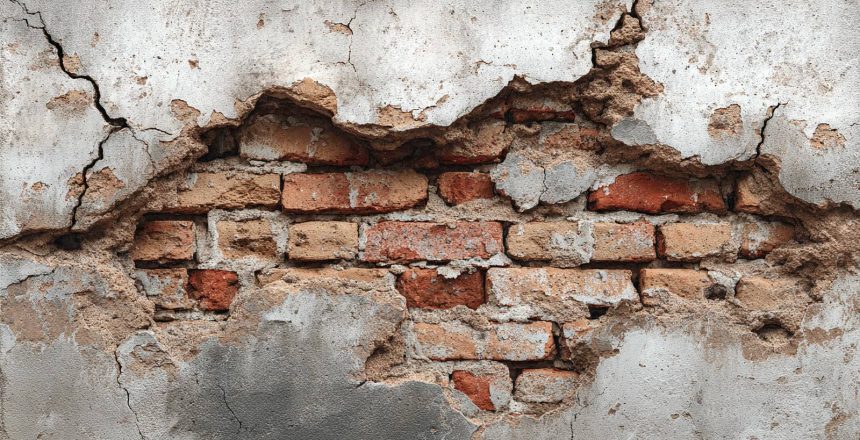
Ignoring masonry damage can lead to catastrophic failures, but many homeowners underestimate its importance. When you spot cracks, discoloration, or crumbling mortar in your masonry, it’s essential to act swiftly. Understanding the common causes of these issues, like moisture intrusion and foundation shifts, can help you safeguard your property. So, how do you know when it’s time to repair? Let’s explore the telltale signs and effective solutions.
Key Takeaways
- Common causes of masonry damage include moisture intrusion, foundation shifts, and weather-related deterioration like freeze-thaw cycles.
- Signs that masonry needs repair include visible cracks, discoloration, and crumbling mortar observed during routine inspections.
- Horizontal cracks typically indicate pressure from above, while vertical cracks suggest potential foundational issues requiring immediate attention.
- Regular inspections help detect moisture-related problems such as efflorescence, which can compromise masonry integrity if left unaddressed.
- Effective repair options include mortar replacement, brick resurfacing, and cleaning to restore durability and visual appeal.
Recognizing When Your Masonry Needs Repair
When it comes to maintaining your masonry, recognizing the signs of wear and damage is crucial to preventing more extensive issues down the line.
You should routinely employ effective masonry inspection techniques, focusing on cracks, discoloration, and crumbling mortar. Look for signs of deterioration, such as moisture intrusion, efflorescence, or shifting bricks. Each of these indicators points to underlying problems that could escalate if neglected.
By staying vigilant, you can address minor issues before they compromise your structure’s integrity. It’s not just about aesthetics; maintaining sound masonry ensures your home remains a place of comfort and safety.
Common Causes of Masonry Damage: What to Look For
Understanding the common causes of masonry damage is essential for proactive maintenance. You should regularly inspect your masonry for cracking patterns, which can indicate structural issues or settling.
Horizontal cracks often signal pressure from above, while vertical ones may suggest foundational problems. Additionally, keep an eye out for discoloration issues; these may be signs of moisture intrusion or efflorescence, where salt deposits form on the surface.
Both cracking and discoloration can compromise the integrity of your masonry and lead to more severe damage if left unaddressed. By recognizing these early warning signs, you can take timely action to preserve your masonry’s appearance and functionality, ensuring your home remains a safe and welcoming space for you and your loved ones.
Effects of Weather and Moisture on Masonry Damage
Although masonry is known for its durability, it remains vulnerable to the relentless effects of weather and moisture, which can accelerate deterioration.
Freeze-thaw cycles pose a significant threat, as water infiltrates the masonry, freezes, and expands. This repeated process can lead to cracking and spalling, compromising structural integrity.
High humidity levels further exacerbate issues by encouraging mold growth and increasing efflorescence, which stains surfaces and weakens materials.
You must regularly inspect your masonry to identify early signs of damage. By addressing moisture-related concerns proactively, you can protect your investment and maintain the beauty of your property.
Understanding these weather and moisture effects is essential for preserving your masonry for years to come, fostering a sense of belonging in your community.
How Foundation Shifts Can Damage Your Masonry
As foundation shifts occur due to soil settlement, moisture changes, or seismic activity, they can lead to significant damage in your masonry structures.
When you experience foundation movement, it compromises the structural integrity of walls, chimneys, and other masonry elements. Cracks may appear, and you might notice uneven floors or doors that stick.
These issues affect aesthetics and can lead to more extensive problems if left unaddressed. It’s essential to monitor any signs of distress in your masonry, as timely intervention can preserve your home’s value and safety.
Options for Repairing Damaged Masonry
When masonry damage occurs, you have several effective options for repair that can restore both the function and appearance of your structure.
One critical method is mortar replacement, which involves removing damaged mortar and applying fresh material to reinforce the integrity of your masonry. This process ensures a strong bond with surrounding bricks, enhancing durability.
Another option is brick resurfacing, where you can either clean or apply a new layer of material to improve the visual appeal of worn bricks.
By choosing these repair methods, not only do you promote the longevity of your masonry, but you also enhance your home’s aesthetic value.
Embrace these solutions and take pride in maintaining a resilient and beautiful structure that you can truly call your own.
Frequently Asked Questions
How Much Does Masonry Repair Typically Cost?
Masonry repair costs can vary dramatically, ranging from a few hundred to several thousand dollars. Factors affecting pricing include damage extent, material type, and labor rates. You’ll want to assess your specific needs carefully.
Can I Perform Masonry Repairs Myself?
Yes, you can perform masonry repairs yourself! With the right masonry tools and DIY techniques, you’ll gain skills and confidence. Just ensure you research properly to achieve lasting results, making your project a rewarding experience.
How Long Does Masonry Repair Take?
Masonry repair timelines vary greatly based on factors affecting duration, like the extent of damage, weather conditions, and your skill level. You’ll find understanding these elements essential for planning your repair project effectively.
Will Repairing Masonry Increase My Property Value?
Yes, repairing masonry can greatly boost your property value. Enhanced property aesthetics attract buyers, while a solid structure increases investment potential, making your home more appealing in a competitive market. It’s a smart financial decision.
How Can I Prevent Future Masonry Damage?
You can prevent future masonry damage by implementing regular preventive maintenance and ensuring proper weather protection. Seal joints, inspect for cracks, and use quality materials to enhance durability, fostering a safe, appealing environment for everyone.
Summary
Addressing masonry damage promptly isn’t just about aesthetics; it’s about preserving the very bones of your structure. Can you afford to ignore those cracks or crumbling mortar? By recognizing the signs and understanding the causes, you can take proactive steps to ensure your masonry remains strong and resilient. Remember, a stitch in time saves nine—regular inspections and timely repairs can save you from costly future damage. Don’t wait until it’s too late; act now!