
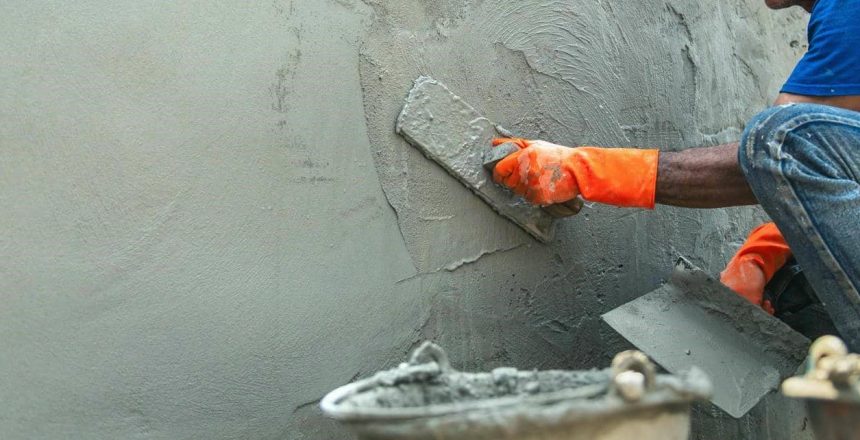
When you encounter damaged masonry, determining whether to repair or rebuild can be challenging. It’s important to assess the extent of the damage and the overall structural integrity. Minor issues might be easily fixable, while more severe problems could require a complete overhaul. Understanding the signs that indicate the right course of action is vital. So, how do you decide what’s best for your masonry? Let’s explore the key factors involved.
Key Takeaways
- Assess the extent of damage to determine if repairs are feasible or if rebuilding is necessary for structural safety.
- Localized damage may allow for repairs, while extensive cracks or instability typically indicate the need for a rebuild.
- Repair costs depend on damage severity and material choice, while rebuilding involves higher costs for materials and labor.
- Quality material selection is crucial for durability and can minimize future repair needs, impacting long-term maintenance.
- Consult professionals for accurate assessments and ensure reliable repairs or rebuilding options to guarantee safety and longevity.
Identifying When to Repair or Rebuild Masonry
How can you determine whether to repair or rebuild your masonry? Start by evaluating the extent of the damage. If it’s localized and the structure remains sound, various repair techniques, like tuckpointing or crack injection, might suffice.
However, if you notice widespread deterioration or structural instability, rebuilding options become necessary. Evaluate the materials; older bricks or mortar may not respond well to modern repair methods.
Consider the long-term implications of each choice. Repairs can be cost-effective and extend the life of your masonry, but rebuilding offers durability and may enhance aesthetic appeal.
Ultimately, your decision should reflect your specific needs, budget, and the overall integrity of the structure, fostering a sense of community and belonging in maintaining your environment.
Signs Your Masonry Can Be Repaired
When evaluating the condition of your masonry, several signs indicate that repair, rather than complete rebuilding, may be the appropriate course of action.
First, conduct a thorough crack assessment; small, superficial cracks often signify minor settling issues rather than structural failure. If the cracks are localized and don’t extend across multiple surfaces, repairs are likely feasible.
Additionally, check for moisture intrusion; if you observe only slight water penetration, addressing the source can prevent further damage. Staining or efflorescence on the surface is another indicator that repair may suffice.
Finally, if the masonry maintains its overall integrity and strength, focusing on targeted repairs can restore its functionality without the need for a complete rebuild.
When Should You Think About Rebuilding?
Recognizing the limits of repair is essential for masonry maintenance. If you notice extensive cracks, serious structural instability, or water damage that’s compromised the integrity of your masonry, it’s time to contemplate rebuilding.
While repairs can extend masonry longevity, they aren’t always a permanent solution. When the damage is severe and affects load-bearing elements, rebuilding techniques become necessary to guarantee safety and durability.
Additionally, if repairs become frequent or costly, investing in a rebuild can ultimately save you money and prevent further issues. By choosing to rebuild, you embrace a long-term solution that not only restores but enhances the value and resilience of your structure.
Prioritize safety and stability, and don’t hesitate to consult professionals when evaluating your options.
Understanding Costs: Masonry Repair vs. Rebuild
When evaluating masonry work, understanding the costs associated with repair versus rebuild is essential.
You’ll need to take into account repair cost estimates, various factors influencing rebuild expenses, and the long-term financial implications of each option.
Repair Cost Estimates
Estimating repair costs for masonry work involves several factors that can greatly impact your budget.
First, assess the extent of the damage; minor cracks may only require patching, while extensive issues could necessitate structural reinforcement.
Material selection also plays an essential role; high-quality bricks and mortar can elevate repair costs.
Additionally, labor rates vary based on your location and the project’s complexity.
Don’t forget to factor in potential permits or inspections your local regulations might demand.
Always prioritize getting multiple estimates from qualified contractors to guarantee you’re making informed budget considerations.
Rebuild Cost Factors
Understanding the cost factors associated with rebuilding masonry structures is crucial for making informed decisions.
When you consider a rebuild, you’ll want to factor in material costs, labor expenses, and potential site preparation needs. A cost comparison between repair and rebuild can reveal significant differences, as rebuilding often incurs higher initial outlays.
Additionally, the complexity of the structure and local building codes can impact your budget planning. Don’t forget to assess the long-term benefits of investing in a rebuild versus the short-term relief of a repair.
Long-Term Financial Considerations
While evaluating your masonry options, it’s essential to weigh the long-term financial implications of repair versus rebuild. Conducting a cost benefit analysis helps you determine which choice provides better investment longevity.
Repairs often cost less upfront but might require repeated maintenance, potentially increasing expenses over time. Conversely, a rebuild represents a larger initial investment but can guarantee structural integrity and durability for decades, minimizing future costs.
Consider the potential resale value of your property; a well-maintained structure can greatly enhance market appeal.
Ultimately, understanding these financial aspects allows you to make informed decisions that align with your long-term goals, ensuring that your investment stands the test of time while providing the comfort and stability you desire.
Evaluating the Structural Integrity of Your Masonry
To guarantee your masonry’s longevity, you need to identify signs of structural damage, such as cracks or shifting.
Recognizing these indicators early can prevent costly repairs down the line.
It’s vital to seek a professional assessment to evaluate the extent of any damage and determine the best course of action.
Signs of Structural Damage
Identifying signs of structural damage in your masonry is essential for maintaining the integrity of your building. Look for masonry deterioration signs such as cracks, bulging walls, or shifting bricks. These are clear structural integrity indicators that shouldn’t be ignored.
Pay attention to mortar joint deterioration; crumbling or missing mortar can compromise the stability of your masonry. Additionally, observe any signs of water damage, such as efflorescence or mold growth, which may indicate underlying issues.
If you notice uneven settling or a sagging roofline, these problems could signal significant structural concerns. Being proactive in recognizing these signs can help you address issues early, ensuring your masonry remains strong and safe for years to come.
Importance of Professional Assessment
When it comes to guaranteeing the safety and longevity of your masonry, a professional assessment is essential. Engaging in expert evaluations allows you to identify underlying issues that may not be immediately visible.
Trained professionals conduct detailed masonry assessments, examining factors like cracks, moisture intrusion, and structural stability. This meticulous evaluation helps you understand the extent of the damage and whether repair or rebuild is the best option.
Relying on their expertise guarantees that you’re making informed decisions, preserving the integrity of your property. Additionally, a professional assessment can save you time and money in the long run by addressing problems before they escalate.
Don’t compromise your safety invest in a thorough evaluation of your masonry today.
How Materials Influence Repairs
While considering masonry repairs, the choice of materials plays a crucial role in determining both the success and longevity of the project. You need to focus on material durability to guarantee the repairs withstand environmental stressors.
Selecting high-quality bricks, mortar, or stone can markedly affect the effectiveness of your repair techniques. For instance, using a compatible mortar mix that matches the original can prevent further damage and maintain structural integrity.
Additionally, consider the specific conditions your masonry faces, such as moisture exposure or temperature fluctuations. Each material’s properties will influence how well your repairs hold up over time, making it imperative to choose wisely.
Adopting the right materials not only enhances durability but also fosters a sense of community pride in your home.
DIY Repairs: What Homeowners Should Know
Before diving into DIY masonry repairs, it’s vital to understand the specific challenges you might face. First, assess the condition of the masonry some damage may require professional intervention.
For minor issues, gather the right DIY materials, such as mortar, sealants, and tools. Familiarize yourself with effective DIY techniques like tuckpointing and patching, which can restore the integrity of your masonry.
Proper surface preparation is important; clean the area thoroughly before applying new materials. Additionally, make sure you follow safety precautions to protect yourself during the repair process.
Hiring Professionals: Finding the Right Masonry Contractor
How can you guarantee you’re hiring the right masonry contractor for your project? Start by evaluating their qualifications and experience.
Here are key aspects to take into account:
Contractor credentials: Verify licenses, insurance, and references to ascertain they’re qualified.
Project timelines: Discuss timelines upfront to gauge their efficiency and commitment.
Portfolio: Review previous work to confirm their expertise aligns with your project needs.
Long-Term Maintenance Tips for Masonry Structures
Once you’ve secured a qualified masonry contractor, it’s essential to focus on the long-term maintenance of your masonry structures to guarantee their durability and aesthetic appeal.
Start by implementing preventative measures, such as sealing joints and applying water-repellent treatments, to protect against moisture penetration.
Schedule seasonal inspections to identify any signs of wear, such as cracks or loose bricks, allowing you to address issues before they escalate.
Regularly clean surfaces to prevent mold and mildew buildup, which can compromise structural integrity.
Don’t forget to check drainage systems, ensuring water flows away from your masonry.
Frequently Asked Questions
Can I Use Different Materials for Masonry Repairs?
Yes, you can use different materials for masonry repairs, but guarantee material compatibility. Employ appropriate repair techniques to maintain structural integrity and aesthetic cohesion, preventing future issues and fostering a lasting sense of belonging in your space.
How Long Does Masonry Repair Typically Last?
Think of masonry repair as a patch on a tire; with proper techniques, you can expect repair longevity of 10 to 20 years, depending on the materials used, ensuring your masonry’s lifespan is maximized.
What Weather Conditions Affect Masonry Repair Effectiveness?
Temperature fluctuations and high moisture levels greatly affect masonry repair effectiveness. Cold weather can delay curing, while excessive humidity may compromise adhesion. You need to monitor environmental conditions closely to guarantee successful repairs and longevity.
Are There Eco-Friendly Options for Masonry Restoration?
Yes, you can choose eco-friendly options for masonry restoration. By using sustainable materials and natural adhesives, you’ll not only enhance durability but also contribute to a healthier environment, ensuring your project aligns with modern ecological standards.
How Can I Prevent Future Masonry Damage?
To prevent future masonry damage, follow essential masonry maintenance tips, like conducting seasonal inspections. Check for cracks, water intrusion, and vegetation growth. Addressing these issues promptly helps guarantee your masonry remains strong and durable.
Review
In the end, deciding between repair and rebuild is like steering through a fork in the road; the path you choose depends on the condition of your masonry. If cracks are minor and localized, repairs can restore strength without breaking the bank. However, if your structure shows signs of widespread damage, a rebuild may be the safer, more durable option. Always consult with professionals to guarantee your masonry stands strong against the test of time.