
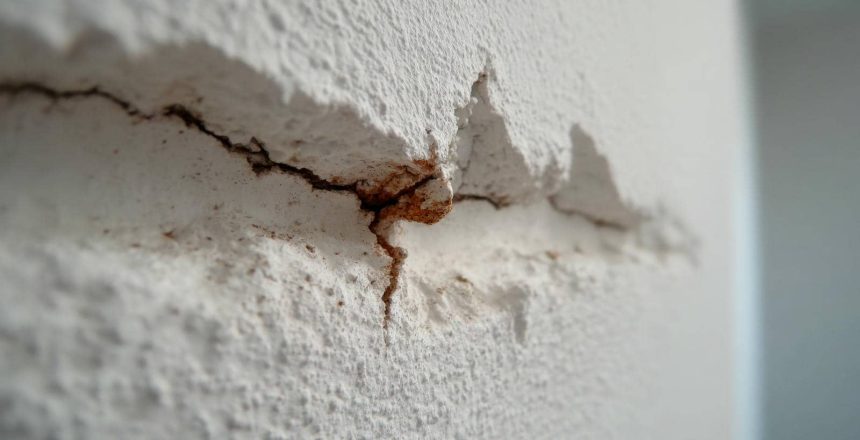
Many people overlook the importance of repairing masonry maintenance until visible damage occurs. Cracking mortar joints, moisture intrusion, and structural instability can silently compromise the integrity of brick, block, and stone buildings. Understanding the signs of deterioration is essential for timely interventions. By exploring common issues and effective repair techniques, you can ensure the longevity and safety of your masonry structures. Let’s examine how to address these challenges effectively.
Key Takeaways
- Inspect for cracks, gaps, and efflorescence to identify moisture-related issues in brick, block, and stone masonry.
- Use proper repair techniques, such as reapplying mortar or sealing joints, to address deterioration.
- Ensure material compatibility when selecting repair materials to maintain structural integrity and aesthetics.
- Implement preventive measures like proper drainage and regular inspections to avoid future masonry problems.
- Consult a masonry repair expert for significant damage to ensure effective and safe repairs.
Understanding Masonry: Common Materials and Their Properties
When you immerse yourself in the world of masonry, understanding the common materials and their properties is essential for successful repairs. Familiarize yourself with the primary masonry types: brick, block, and stone. Each material has unique characteristics affecting durability and repair methods.
For instance, clay bricks are known for their compressive strength and resistance to weathering, while concrete blocks offer versatility and insulation properties. Natural stone, though aesthetically pleasing, can be prone to moisture absorption, impacting its integrity.
Knowing these material properties helps you select appropriate repair techniques and products, ensuring longevity. As you explore deeper, you’ll find that this knowledge enhances your skills and fosters a sense of community among fellow masonry enthusiasts.
Signs of Deterioration in Brick, Block, and Stone Structures
When inspecting brick, block, and stone structures, keep an eye out for cracks and gaps, as these often signal underlying issues.
Efflorescence and staining can also indicate moisture problems that may compromise the integrity of the masonry.
Identifying these signs early can help you prevent more extensive damage and costly repairs down the line.
Cracks and Gaps
As you inspect your brick, block, or stone structures, keep an eye out for cracks and gaps, which often signal underlying issues.
Crack formation can indicate settling, moisture intrusion, or inadequate support. Even small gaps can lead to bigger problems if not addressed promptly.
Use a masonry crack filler specifically designed for the material at hand, ensuring proper adhesion and durability. For wider gaps, consider applying a flexible sealant to accommodate movement without compromising structural integrity.
Regularly monitor these areas and perform necessary gap-filling to maintain the health of your masonry.
Prompt action preserves aesthetics and prevents costly repairs down the line, fostering a sense of community care for shared spaces.
Efflorescence and Staining
Efflorescence and staining are telltale signs of deterioration in brick, block, and stone structures. You might notice white, powdery deposits on your masonry, which indicate efflorescence caused by water-soluble salts leaching from within the materials. This often results from moisture intrusion or poor drainage.
To mitigate these issues, staining prevention is essential. Start by ensuring proper waterproofing and drainage systems are in place. Regular maintenance, like sealing surfaces and cleaning efflorescence promptly, can help protect your masonry.
If you’re dealing with persistent stains, consider using specialized cleaning agents or consulting a professional. Addressing these problems early enhances your structure’s appearance and prolongs its lifespan, fostering a sense of pride in your home.
The Impact of Moisture on Masonry Integrity
Moisture can considerably compromise the integrity of masonry, leading to a range of structural issues if not properly managed. When moisture penetration occurs, it can weaken the bond between bricks, blocks, or stones, causing deterioration over time.
As water seeps into the masonry, it can freeze, expand, and create cracks, ultimately reducing the strength of the structure. This process threatens the aesthetics of your building and its overall safety.
To achieve effective masonry preservation, you should regularly inspect for signs of moisture damage and address any leaks or drainage issues promptly. Implementing proper sealing techniques can help protect your masonry and prolong its lifespan, ensuring that your structure remains solid and visually appealing.
How to Fix Cracking Mortar Joints
Cracking mortar joints can signal underlying moisture issues that compromise the overall stability of your masonry.
To effectively address this problem, follow these steps for joint repair:
Identify the Cracks: Examine the joints carefully to determine the extent of the damage and the mortar types used.
Remove Loose Mortar: Use a chisel or grinder to eliminate any deteriorating mortar, ensuring a clean surface for repair.
Prepare the New Mortar: Select the appropriate mortar type for your building, mixing it according to the manufacturer’s specifications.
Reapply the Mortar: Fill the joints carefully, ensuring proper adhesion and a smooth finish.
Understanding Efflorescence and How to Address It
When water evaporates from masonry surfaces, it can leave behind unsightly white stains known as efflorescence. This phenomenon occurs when soluble salts within the masonry are drawn to the surface by moisture.
Understanding the efflorescence causes, such as poor drainage or high humidity, is essential for effective treatment. To tackle this issue, start with efflorescence removal by dry brushing the affected area with a stiff-bristle brush.
For stubborn stains, consider using a mild acid solution, but always test a small area first. After removal, verify the masonry is adequately sealed to prevent future occurrences.
Preventing Water Infiltration
To effectively prevent water infiltration in your masonry, start with proper grading techniques to direct water away from structures.
Next, apply a high-quality sealant to joints and surfaces to create a robust barrier against moisture.
Ultimately, conduct regular maintenance checks to identify and address potential vulnerabilities before they escalate into significant issues.
Proper Grading Techniques
Proper grading techniques are essential for preventing water infiltration around masonry structures, as improper drainage can lead to significant damage over time.
To ensure effective grading, follow these key steps:
Establish a proper slope: Aim for a minimum of 2% slope away from the foundation to direct water flow.
Create drainage solutions: Utilize trenches, swales, or French drains to manage excess water effectively.
Maintain vegetation: Keep landscaping plants and trees at least 2-3 feet from the foundation to prevent water pooling.
Regularly inspect and maintain: Check grading every season for erosion or settling, and make necessary adjustments promptly.
Effective Sealant Application
While applying sealants can seem straightforward, ensuring a watertight barrier around masonry surfaces requires attention to detail and proper technique.
Begin by selecting the right sealant types for your masonry, such as silicone, polyurethane, or acrylic. Each has unique properties suited for different materials.
Before application, clean the surface thoroughly to remove dirt and debris, allowing for better adhesion. Use a caulking gun for precise application, filling joints and cracks evenly.
Make sure to apply the sealant in suitable weather conditions—ideally dry and mild—to enhance curing. After application, smooth the surface with a tool or your finger for a neat finish.
Following these application techniques will greatly reduce water infiltration and extend the life of your masonry.
Regular Maintenance Checks
Effective sealant application is just one part of maintaining masonry integrity; regular maintenance checks play an essential role in preventing water infiltration.
By conducting thorough inspections and seasonal assessments, you’ll catch potential issues before they escalate.
Here are four key steps to follow:
- Inspect joints and mortar for cracks or deterioration.
- Check for efflorescence—whitish stains indicating moisture issues.
- Examine flashings and weep holes to ensure proper drainage.
- Assess the surrounding landscaping for proper grading and water diversion.
Fixing Structural Instability in Masonry
To address structural instability in masonry, you need to first assess the extent of the damage and identify the underlying causes.
Look for cracks, shifting, or bulging in walls, which indicate issues with load distribution. Consider structural load considerations when evaluating how weight is transferred through the masonry.
Using masonry reinforcement techniques, like installing steel lintels or adding reinforced concrete, can effectively stabilize the structure. Additionally, ensure proper bonding of bricks or blocks to enhance overall strength.
It’s essential to also evaluate drainage and soil conditions around your building, as these factors can contribute to instability.
Selecting Effective Repair Materials for Masonry
When selecting repair materials for masonry, consider compatibility with existing materials to ensure a seamless bond.
Additionally, prioritize durability and longevity to withstand environmental challenges over time.
Finally, don’t overlook aesthetic matching techniques to maintain the original appearance of the structure.
Material Compatibility Considerations
Selecting the right repair materials for masonry is essential, as mismatched components can lead to further deterioration and structural issues.
To ensure material compatibility, consider these key factors:
Material Types: Identify the original materials used in your masonry, including brick, block, or stone.
Moisture Absorption: Choose repair materials with similar moisture absorption rates to prevent damage.
Thermal Expansion: Match materials that expand and contract at similar rates to avoid cracks.
Color and Texture: Confirm the repair materials blend well visually with existing masonry, maintaining aesthetic integrity.
Durability and Longevity Factors
While the aesthetic appeal of masonry repairs is important, durability and longevity should be your primary focus when choosing materials. Selecting high-quality repair materials extends masonry lifespan, reducing the need for frequent replacements.
Look for products with proven resistance to moisture, temperature fluctuations, and chemical exposure, as these factors greatly influence the overall performance of your repairs. Additionally, consider the environmental impacts of your choices; sustainable materials benefit the planet and enhance the resilience of your masonry.
Opt for repair solutions that integrate well with existing structures and provide adequate bonding. By prioritizing durability, you’ll strengthen your masonry and foster a sense of community pride in preserving these essential structures for future generations.
Aesthetic Matching Techniques
Ensuring that your masonry repairs last and blend seamlessly with existing structures requires careful consideration of aesthetic-matching techniques.
Here are some key steps to achieve effective color matching and texture blending:
Collect Samples: Gather existing materials to analyze color and texture.
Test Colors: Use paint or dye samples on small areas to find the perfect match.
Choose Compatible Materials: Select repair materials that share similar properties with the original masonry.
Consider Aging: Account for the natural weathering of existing materials to ensure your repairs integrate well over time.
When to Hire a Masonry Repair Expert?
When should you consider hiring a masonry repair expert? If you notice significant cracks, bulging walls, or water damage, it’s time to call in a professional.
These issues often require specialized masonry repair techniques that you mightn’t be familiar with. Additionally, if the problem persists after your attempts at DIY fixes, it’s wise to consult an expert.
Hiring considerations include evaluating their experience, understanding the materials used in your structure, and ensuring they provide a clear plan for repairs.
Don’t overlook the importance of expert evaluation—early intervention can save you money and prevent further damage.
Preventative Maintenance Tips for Long-Lasting Masonry
Maintaining the integrity of your masonry structure is key to avoiding costly repairs down the line.
Follow these preventative maintenance tips to keep your masonry in top shape:
Regularly clean your masonry using proper masonry cleaning techniques to remove dirt, algae, and other contaminants.
Conduct seasonal inspections to identify cracks, loose mortar, or any signs of moisture intrusion.
Ensure proper drainage around your building to prevent water accumulation, which can lead to deterioration.
Seal joints and cracks with appropriate materials to protect against water penetration and freeze-thaw cycles.
Frequently Asked Questions
How Long Does Masonry Repair Typically Last?
Masonry repair typically lasts 10 to 30 years, depending on repair longevity and maintenance frequency. Regular inspections and upkeep can enhance durability, ensuring your structure remains sound and visually appealing for years to come.
What Are the Costs Associated With Masonry Repairs?
Masonry repair costs vary widely based on damage severity and materials used. You should obtain multiple masonry estimates to ensure you’re getting a fair price and to budget effectively for necessary repairs.
Can I Repair Masonry Myself, or Should I Hire a Professional?
You can tackle basic masonry repairs using DIY techniques, but for complex issues, hiring a professional ensures safety and quality. Their expertise assures durability, preventing further damage and fostering a sense of community through skilled craftsmanship.
What Tools Do I Need for Basic Masonry Repairs?
You’ll need essential masonry repair tools like a trowel, joint raker, mortar mixer, and safety gear. Don’t forget a level for accuracy! These tools ensure your repairs are sturdy and visually pleasing. Ready to start?
How Do Weather Conditions Affect Masonry Repair Work?
Weather conditions greatly impact masonry durability; extreme temperatures can weaken materials. Rain can hinder curing, while humidity affects drying time. Always consider the forecast when planning repairs to ensure long-lasting results and proper adhesion.
Wrap-Up
Addressing masonry issues promptly preserves your building’s integrity and enhances its aesthetic appeal. As you tackle these repairs, you might find that the very materials used in their construction hold the key to their longevity. Just as you repair each crack, you’ll uncover a deeper connection to the craftsmanship of the past. By investing in regular maintenance and knowing when to call an expert, you ensure your masonry stands the test of time.