
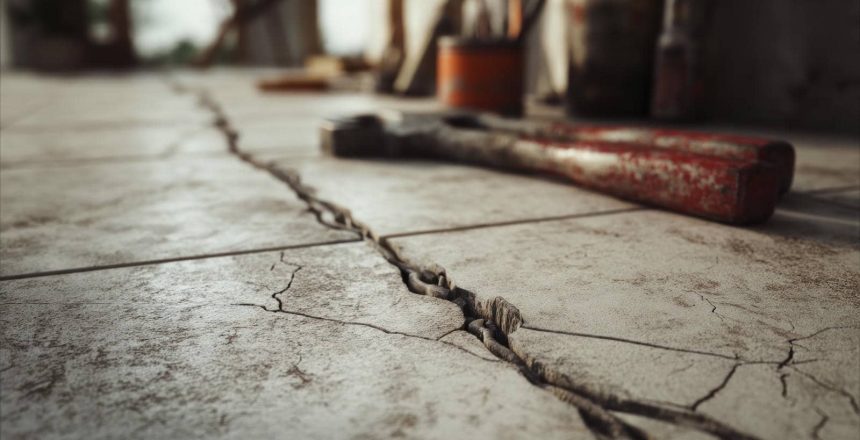
When it comes to masonry repairs, understanding their expected lifespan is essential for property owners. Typically, these repairs can last anywhere from 10 to 30 years, but various factors influence this duration. Knowing what affects longevity can help you make informed decisions about your property. Let’s explore the key elements that determine how long your masonry repairs will last and what you can do to maximize their durability.
Key Takeaways
- Masonry repairs typically last between 10 to 30 years, influenced by materials and installation quality.
- Brick repointing can last 20 to 50 years, depending on the mortar used.
- Stone sealing protects surfaces for 3 to 5 years before needing reapplication.
- Environmental factors, such as moisture and temperature, significantly impact the durability of repairs.
- Regular maintenance and seasonal inspections can extend the lifespan of masonry repairs.
How Long Can You Expect Your Masonry Repairs to Last?
When you invest in masonry repairs, you likely want to know how long those repairs will hold up under various conditions.
Generally, masonry repair longevity can span from 10 to 30 years, depending on the materials and techniques used. High-quality materials, like polymer-modified mortar, can notably enhance the masonry lifespan.
Proper installation is essential; poorly executed repairs may lead to premature failure. Environmental factors also play a role: exposure to moisture, extreme temperatures, and freeze-thaw cycles can affect durability.
Regular maintenance, such as sealing cracks and ensuring proper drainage, can extend the life of your repairs.
Ultimately, understanding these aspects can help you make informed decisions and foster a deeper connection with your property’s integrity.
What Factors Determine the Durability of Masonry Repairs?
The longevity of masonry repairs hinges on several key factors that influence their durability.
First, the choice of repair materials is critical; high-quality, compatible materials guarantee a strong bond and resistance to wear. For instance, using the right mortar mix can considerably enhance the repair’s lifespan.
Second, environmental factors play an important role. Exposure to moisture, temperature fluctuations, and freeze-thaw cycles can weaken repairs over time. If you live in an area with harsh weather, opting for weather-resistant materials can make a big difference.
Additionally, proper installation techniques and regular maintenance are fundamental to prolong the life of your repairs.
Common Types of Masonry Repairs and Their Longevity
While various types of masonry repairs exist, each comes with its own expected longevity based on the repair method and materials used.
Here are some common repairs you might encounter:
Brick Repointing: This technique can last between 20 to 50 years, depending on the mortar quality and environmental conditions.
Stone Sealing: When properly applied, sealing can protect stonework for 3 to 5 years before requiring reapplication, ensuring your stone remains beautiful and intact.
Crack Repair: Using epoxy or polyurethane can effectively seal cracks, potentially lasting up to 10 years, depending on the underlying issues.
Understanding these options helps you make informed decisions, ensuring your masonry remains strong and visually appealing for years to come.
Maintenance Tips for Longer-Lasting Masonry
To guarantee your masonry stands the test of time, regular maintenance is essential. Start by implementing preventative measures, such as applying a high-quality sealant to protect against moisture infiltration.
Conduct seasonal inspections to identify potential issues early, like cracks or loose mortar. During these inspections, check for signs of efflorescence, which can indicate water problems. Ascertain proper drainage around your masonry to prevent water accumulation.
Additionally, keep vegetation trimmed away from masonry surfaces to avoid moisture retention and damage. Cleaning your masonry periodically will also help maintain its integrity, as dirt and debris can lead to deterioration over time.
When Should You Hire Professionals for Masonry Repairs?
When should you consider hiring professionals for masonry repairs? Recognizing the right time can save you time, money, and stress. Here are some key masonry repair signs indicating that it’s best to call in the experts:
Extensive Cracking: If you notice deep or widespread cracks, they can compromise structural integrity.
Water Damage: Signs of moisture infiltration, such as mold or efflorescence, suggest professional intervention is necessary.
Structural Shifts: If walls or foundations are bowing or leaning, it’s critical to consult specialists immediately.
While DIY projects can be rewarding, understanding the difference between professional vs. DIY can prevent costly mistakes.
Hiring professionals guarantees that your masonry repairs are done correctly and last longer, providing peace of mind for you and your home.
Frequently Asked Questions
Can I Do Masonry Repairs Myself Instead of Hiring a Professional?
Yes, you can tackle masonry repairs yourself using DIY techniques and appropriate repair tools. However, verify you research methods thoroughly and understand the materials involved to achieve lasting results and maintain your property’s integrity.
What Types of Materials Are Best for Masonry Repairs?
When it comes to masonry repairs, you can’t go wrong with high-quality mortar, concrete, and sealants. These masonry materials, paired with effective repair techniques, guarantee durability and longevity for your projects, giving you peace of mind.
How Can Weather Affect the Longevity of Repairs?
Weather impacts repair durability considerably. Extreme temperatures, moisture, and freeze-thaw cycles can weaken materials, leading to premature failure. To guarantee longevity, you should choose appropriate materials and maintain your masonry regularly, adapting to local weather conditions.
Are There Warranties Available for Masonry Repair Work?
Yes, you’ve got warranty options for masonry repairs. Many contractors offer repair guarantees, covering work for a specified period. It’s essential to review these terms to guarantee they meet your expectations and protect your investment.
What Signs Indicate That Masonry Repairs Are Needed?
You’ll notice signs like visible cracks, moisture intrusion, or crumbling materials. Regular crack assessments can help you spot these issues early, ensuring your masonry stays structurally sound and protects your property from further damage.
Recap
Understanding how long your masonry repairs can last is vital for maintaining the strength and beauty of your property. Imagine your walls standing tall, weathering storms and time, with proper care and attention. By considering factors like material quality and regular maintenance, you can guarantee your masonry remains resilient and visually appealing for decades. Don’t hesitate to call in professionals when needed; they can help preserve the integrity of your structure, safeguarding your investment for the long haul.